Cinema SFX: Special Effects for Realistic and Powerful Storytelling
In the world of filmmaking, SFX (Special Effects) refers to the physical effects used to create characters, environments, phenomena, or objects that can’t be captured in real life or during the shoot. These practical effects—also called in-camera effects—are designed to create powerful illusions directly on set, unlike VFX (Visual Effects), which are added during post-production. Discover how SFX works in cinema and explore the various products and accessories used to bring these illusions to life.
What Are Special Effects in Cinema?
Special Effects (SFX) in cinema are an art form that creates magic and illusion during filming. Whether in movies, TV shows, commercials, or music videos, SFX allows directors and production crews to realistically depict characters, actions, or environments that don’t exist in the real world. SFX technicians use practical techniques to produce what the camera cannot naturally capture.
What Was the First Movie to Use SFX?
The first known use of SFX was in “The Execution of Mary, Queen of Scots” (1895) by Alfred Clark and William Heise. They used the stop-camera trick to make objects or people appear or disappear by pausing the camera and changing the scene. However, the true pioneer of SFX was Georges Méliès, who used hand-painting, explosions, and time manipulation in over 500 short films. These early innovations paved the way for modern VFX.
What’s the Difference Between SFX and VFX?
While often confused, SFX and VFX serve different purposes and are created at different stages of production.
SFX (Special Effects) – Created On Set
SFX are physical effects produced live on set using practical tools such as prosthetic makeup, masks, controlled explosions, animatronics, and weather simulations like rain, fog, or snow. SFX is commonly used in horror, fantasy, and sci-fi genres to create monsters, aliens, cosmic environments, or simulate natural disasters—without endangering the cast or damaging the set. Properly executed, SFX appears seamless and realistic to the audience.
VFX (Visual Effects) – Added in Post-Production
VFX are digital effects added after filming. These include 3D animation, motion capture, rotoscoping, CGI, green screen compositing, sound design, and synthetic imagery. VFX is essential in animated films, video games, and high-end visual productions where post-processing allows for greater creative control.
How Are SFX Created in Films?
SFX are designed and applied during the actual shoot, using tools like prosthetic makeup, fans, animatronic models, or camera tricks such as stop motion, slow motion, or accelerated motion. Practical setups ensure the effects feel natural and interact directly with actors and sets.
Types of SFX in Film Production
-
Makeup SFX: fake blood, masks, fake teeth, silicone for prosthetics, artificial wounds
-
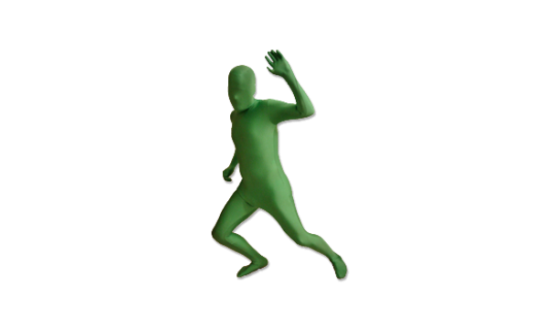
Set and Prop SFX: breakaway bottles, patina paste (fake mud), paints, green screen fabric, fake snow, spider webs, dust, frost
-
Chemical SFX: smoke generators, flame effects, controlled explosions
-
Mechanical SFX: animatronics—robotic creatures with latex skin
Advantages of Using SFX
SFX offers many benefits:
-
Actors can react in real-time to effects happening on set
-
Cost-effective compared to complex VFX
-
Safer production for action scenes
-
Quick setup and changes, especially for makeup and physical transformations
-
Realism that enhances the credibility of the scene
-
Creative freedom to build immersive, fantastical worlds live on camera
Whether you're creating horror creatures, simulating weather, or building surreal environments, SFX remains a cornerstone of cinematic illusion—making every scene more tangible and emotionally impactful.